
Welcome to Robert’s Radar; a semi-regular snapshot of what’s bouncing around in my head lately. Ideas, questions, , and quotes that stuck with me. Essays, art, music, tech, and books that are too interesting to leave buried in my notes.
No theme, no fluff. Just the things worth pausing for.
If you’re curious, thoughtful, or just mentally scrolling… this one’s for you.
Substack pieces that stuck with me
“Make Something Heavy”
This essay discribes how light and weightless most of what we create online has become. The idea is simple:
We are creating more than ever, but most of it weighs nothing. Tweets, reels, posts, hot takes. They flare up and vanish.
“Make Something Heavy” is a reminder to aim for things with weight such as long-form work, craft, depth, and projects that actually change how we think or live.
It made me ask: What am I building that could still matter in five years?
“Unrot Your Brain”
If “Make Something Heavy” is about what we create, “Unrot Your Brain” is about what we consume.
It’s a short, practical call to wake you brain back up from the constant drip of short-form, hyper-optimised content. The suggestions are simple: reclaim your attention, add small bits of friction back into your day, and choose inputs that stretch you rather than numb you.
Youtube video that made me think
What Orwell Personally Believed – Ryan Chapman
George Orwell’s political evolution (from Spanish Civil War betrayals to anti-totalitarian warnings in 1984 and Animal Farm) eerily mirrors 2026’s geopolitical chaos: Russia-Ukraine stalemate, Israel-Palestine conflict, Maduro’s ouster from power, Europe’s weakening global standing, Trump’s “fake news” rhetoric and Greenland annexation talk… all fueled by polarised media and truth erosion.
Famous artwork I’m studying
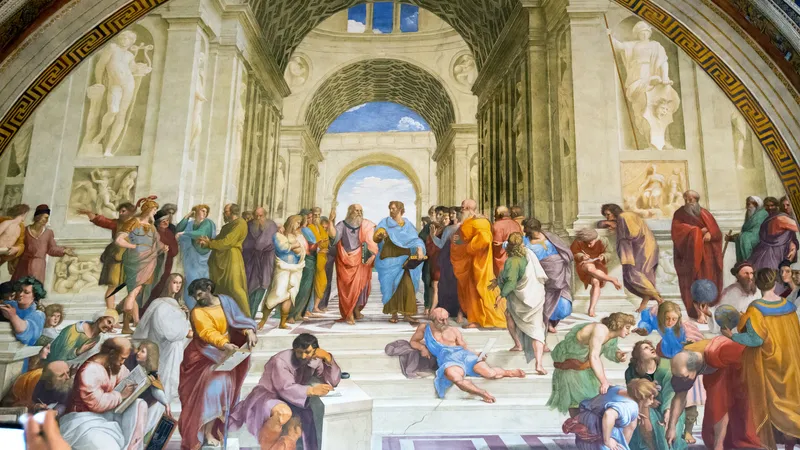
The School or Athens – Raphael
I’ve been spending time with Raphael’s School of Athens, one of the great paintings of the Renaissance.
At the center you’ve got Plato and Aristotle walking side by side: Plato points upward, towards abstract ideals such as truth, beauty, justice, and wisdom. Beside him, Aristotle gestures horizontally, towards the empirical world, science, observation, experience, and practical reality.
Two different approaches, but both reaching for the same ideal: the truth of existance.
They’re surrounded by a crowd of thinkers, around 52 iconic fugures, including Euclid, Socrates, Diogenes, Heraclitus, Pythagoras, and others.
Even the sculptures echo the theme: Athena (Minerva) on one side, representing wisdom and strategic war, and Apollo on the other, representing light, music and harmony.
It’s the kind of work you can keep revisiting, and every time, another detail quietly steps forward.
Piano piece I’m practising
Frédéric Chopin – Nocturne No. 2 in E-flat Major, Op. 9 No. 2
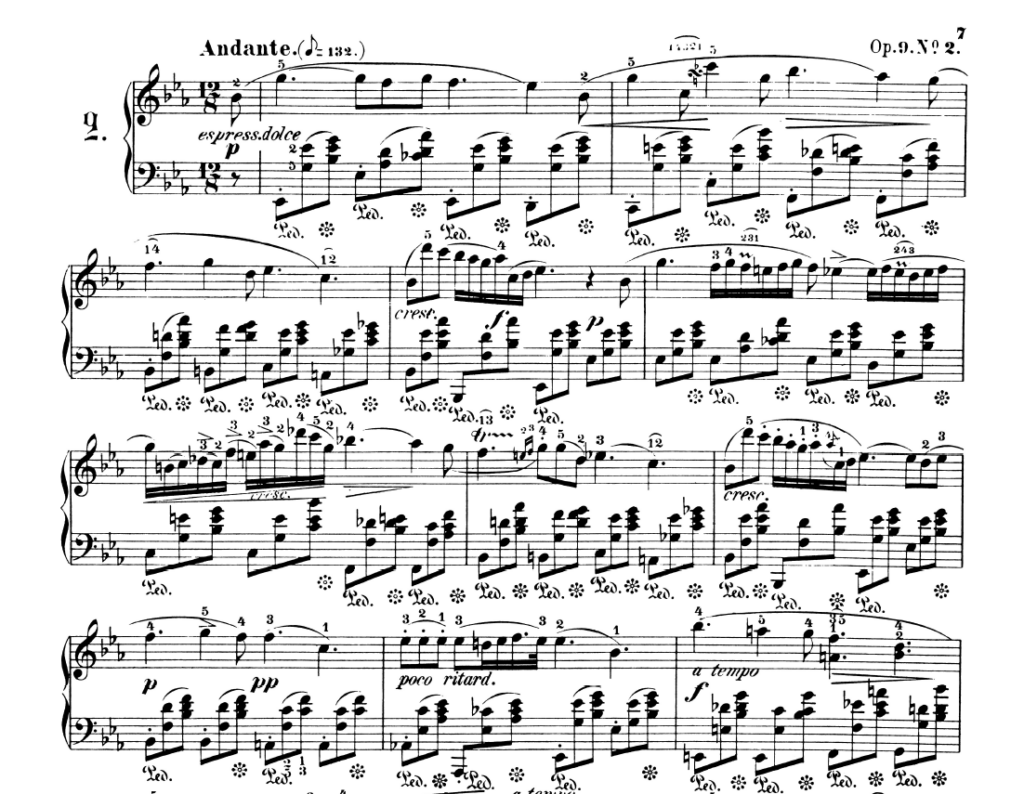
Probably one of Chopin’s most famous pieces, and for good reason.
Written when he was around 20, this Nocturne has a bel canto-style melody. It lives in that dreamy, slightly melancholic space Chopin does so well.
It’s written in a kind of expanded binary form (AABABA + coda), a conversation that keeps returning to the same thought, but with slightly different emotional colours each time.
This intermediate-to-advanced piece demands advanced expressive control and musicality, delicate ornamentation which increases in each repetition, and precise left-hand leaps to support the melody in the right.
Book I’m reading
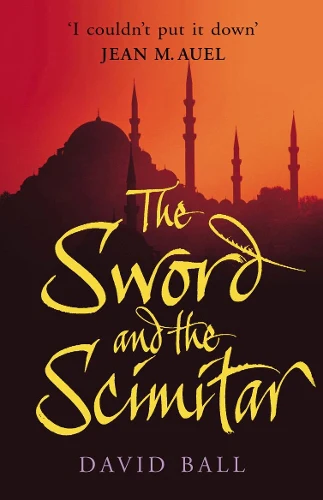
The Sword and the Scimitar
by David W. Ball

Leave a Reply